If you have searched for online training websites lately, you already know Udemy is not the only name on the list anymore. Instructors are tired of price wars and unpredictable algorithm changes, and learners want platforms that fit their budget, their schedule, and the specific skill they are chasing. This guide walks through the strongest Udemy alternatives and what actually separates a good learning platform from a forgettable one.
Whether you are a working professional picking up a new certification or a creator thinking about launching your own course site, the right choice depends on your goals. Some platforms are built for structured, university-style learning. Others are built for fast, practical skills. And some, like LearnPress and Eduma, are built for people who want to stop paying platform fees altogether and own their audience instead.
LearnPress – WordPress LMS Plugin
We provide an amazing WordPress LMS plugin to create & sell online courses. Let’s find out!
Try NowWhy look beyond Udemy
Udemy still has one of the largest course catalogs on the internet, but it is not a perfect fit for everyone. Instructors keep only a portion of each sale after Udemy’s revenue split, and course prices get discounted so often that learners have started waiting for the next 90% off sale instead of paying full price. For learners, that unpredictability can make it hard to judge what a course is actually worth.
There is also the content quality issue. Because Udemy allows almost anyone to publish a course, catalog depth does not always mean catalog quality. That is exactly why searches for Udemy alternativen (the German term for Udemy alternatives) have grown steadily over the past two years, according to keyword trend data from tools like Google Trends and Ahrefs.
On top of pricing and quality, there is the discovery problem. Udemy’s search and recommendation engine decides which courses get seen, and a small algorithm tweak can quietly cut traffic to a course that was selling well the month before. Instructors have no real way to appeal that, since the marketplace owns the relationship with the student, not the person who built the course. That single point of failure is often the real reason people start looking for other options rather than staying loyal to one platform.
Learners run into a related issue from the other side. Because thousands of courses cover the same topic, from Excel basics to Python for beginners, ranking and reviews carry more weight than they should. A course can rank well simply because it launched early and collected reviews before the algorithm got more competitive, not because it is the best explanation of the subject. Comparing a few providers side by side, rather than defaulting to whichever course appears first, tends to produce a better outcome for both the wallet and the learning curve.
What to look for in a course platform
Before comparing specific platforms, it helps to know what actually separates a strong course site from a mediocre one. Not every alternative solves the same problem Udemy has, so match the platform to what you personally need.
Course quality and pricing model
Subscription-based providers, such as Coursera Plus or LinkedIn Learning, tend to have more consistent editorial standards because content goes through an internal review process before publishing. Marketplace-style platforms, similar to Udemy, rely more heavily on instructor reputation and student reviews, so check ratings and read a handful of recent comments before enrolling.
Certification and accreditation
If you need a credential for a resume or a job application, confirm whether the certificate carries real weight. University-backed platforms like Coursera and edX offer certificates tied to accredited institutions, while most marketplace platforms only offer a completion certificate with no formal accreditation behind it.
Community and support
Cohort-based platforms and bootcamp-style sites usually include mentor access, peer discussion, and live sessions, which matter a lot for learners who get stuck without feedback. Self-paced marketplace courses rarely include this, so factor that in if you tend to lose motivation studying alone.
Content freshness and platform ownership
A course recorded three years ago on a fast-moving topic, such as social media marketing or a JavaScript framework, can go stale quickly. Check the last updated date on the course page before enrolling, since some platforms display this more clearly than others. If you are the one creating content rather than consuming it, ownership matters just as much. A marketplace platform can change its commission structure, its search ranking rules, or even remove your course category without much warning, which is why more instructors are shifting toward self-hosted setups where they control the pricing, the branding, and the student relationship from day one.
7+ Best Udemy alternatives in 2026
Here is a practical breakdown of the sites like Udemy that consistently come up in comparisons, based on catalog size, pricing structure, and who each one actually fits best.
Coursera
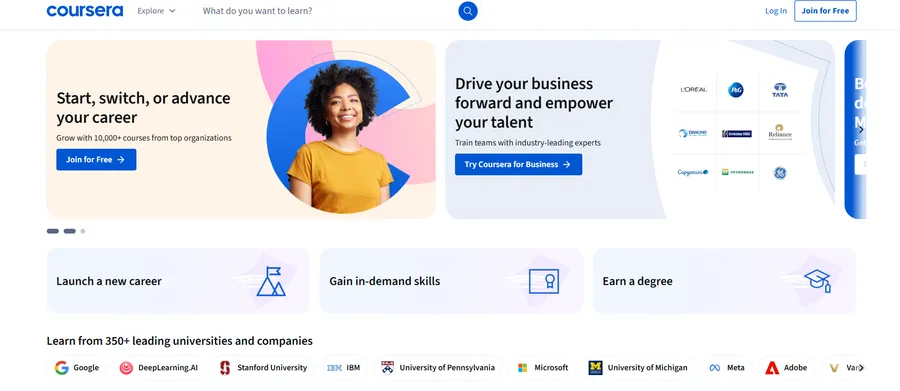
Coursera partners directly with universities and companies like Google, IBM, and Yale to publish structured courses, specializations, and even full online degrees. It is one of the strongest options for anyone who wants a recognized credential rather than just a skill badge. Pricing runs on individual course fees or a Coursera Plus subscription for unlimited access to most of the catalog. The trade-off is pace: Coursera courses often run on weekly modules with assignment deadlines, which suits learners who want structure but can feel slower than a self-paced Udemy course covering the same topic.
LinkedIn Learning
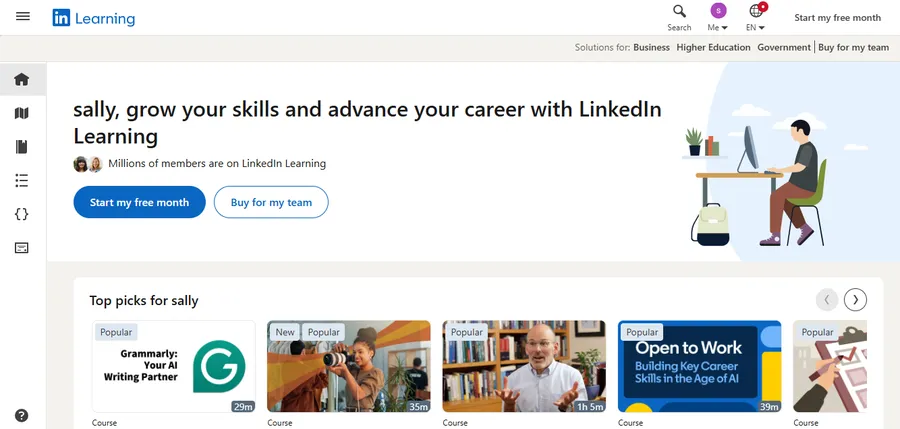
LinkedIn Learning works well for professionals who already use LinkedIn and want course completions to show up directly on their profile. The catalog leans heavily toward business, software, and creative skills, and access comes through a monthly or annual subscription rather than buying individual courses.
Skillshare

Skillshare focuses on creative and lifestyle skills such as design, photography, writing, and illustration. Classes are shorter and project-based compared to Udemy’s longer video courses, which makes it a good fit for hobbyists rather than people chasing a formal certification.
Teachable
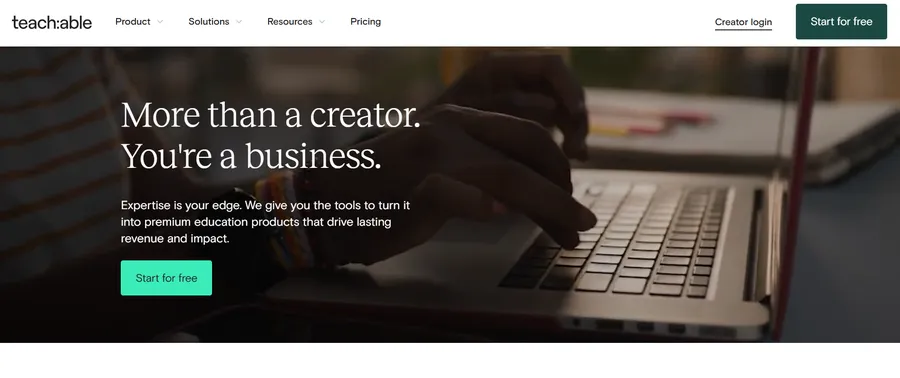
Teachable is not a course marketplace at all. It is a platform that lets instructors build and sell their own branded course site, similar to what LearnPress does for WordPress users. This matters if you are an instructor tired of splitting revenue with Udemy and want to keep your own student list and pricing control. Teachable charges a monthly platform fee instead of taking a large cut per sale, which usually works out cheaper for instructors who already have an audience and do not rely on marketplace traffic to find students.
Thinkific
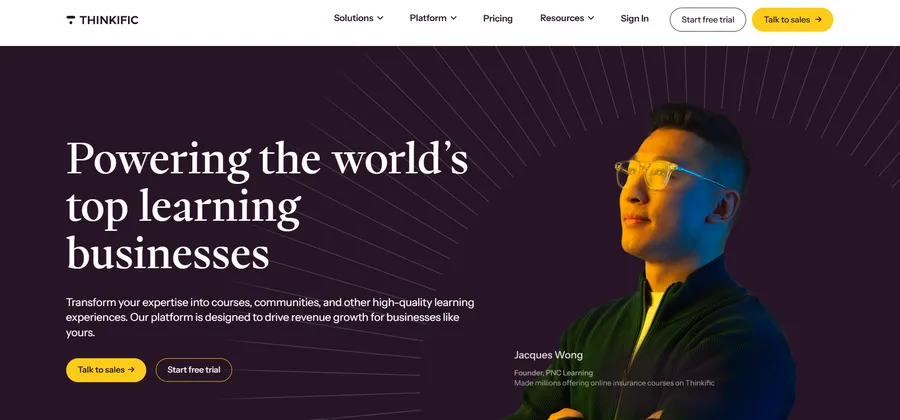
Thinkific is another instructor-first platform, closer to Teachable, that focuses on giving creators full ownership of their course pages, pricing, and student data. It is a strong option for coaches and consultants who want their training site to look and feel like their own brand instead of a marketplace listing.
edX
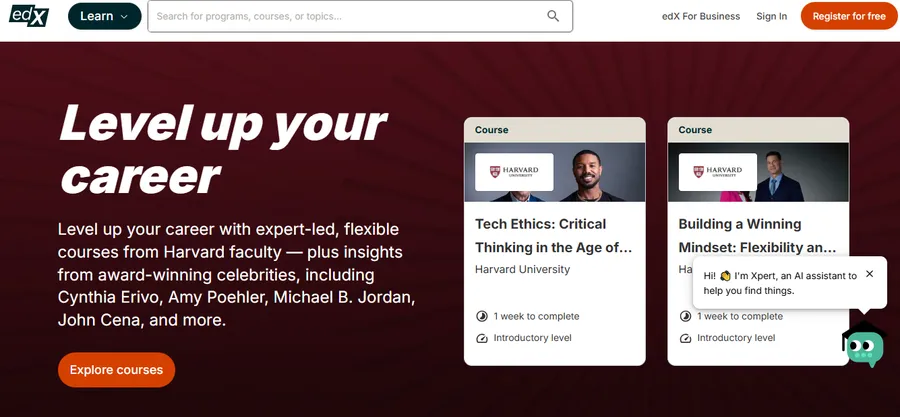
edX, now part of 2U, offers university-level courses and MicroMasters programs from institutions like Harvard and MIT. It is one of the more academically rigorous options on this list, and several courses can even be audited for free if you do not need the paid certificate.
Pluralsight
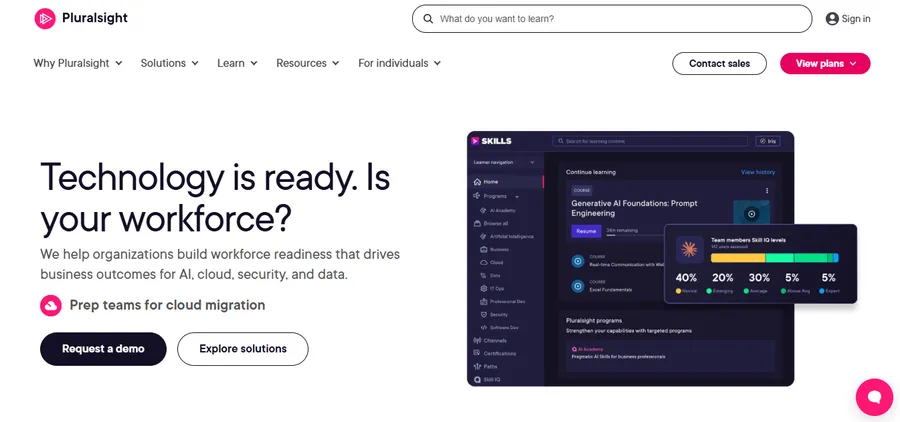
Pluralsight is built specifically for technology professionals, covering software development, IT operations, cybersecurity, and cloud certifications. Skill assessments built into the platform help learners identify gaps before choosing a learning path, which is a feature most general marketplace platforms do not offer.
Comparison table: how the top platforms stack up
| Platform | Best for | Pricing model | Certification | Community support |
|---|---|---|---|---|
| Udemy | Broad, affordable skill courses | Pay per course | Completion certificate only | Limited |
| Coursera | University-backed credentials | Per course or subscription | Accredited certificates and degrees | Moderate |
| LinkedIn Learning | Business and professional skills | Monthly or annual subscription | Completion certificate | Limited |
| Skillshare | Creative and hobby skills | Subscription | None | Moderate |
| Teachable | Instructors selling their own courses | Platform fee, instructor sets pricing | Instructor-issued | Depends on instructor |
| Thinkific | Coaches and course creators | Platform fee, instructor sets pricing | Instructor-issued | Depends on instructor |
| edX | Academic and university courses | Free audit or paid certificate | Accredited certificates | Moderate |
| Pluralsight | Tech and IT certifications | Subscription | Skill assessments and paths | Limited |
Build your own online training website with LearnPress and Eduma
If none of the marketplace options above solve the real problem, which is giving away a cut of every sale and having no control over your own student data, building a self-hosted course site is worth serious consideration. This is where LearnPress and Eduma come in.
LearnPress is a WordPress LMS plugin that turns any WordPress site into a fully functional course platform, complete with quizzes, certificates, student progress tracking, and support for paid or free courses. Because it runs on your own WordPress install, there is no revenue split with a third-party marketplace and no risk of your course catalog getting buried by an algorithm change you do not control.
Eduma is the education theme built specifically to work with LearnPress, giving your site a polished, marketplace-style front end right out of the box, complete with instructor profiles, course categories, and a homepage layout that looks like a professional course site rather than a generic blog. For instructors or businesses who want that same polish but with the pricing control of Teachable or Thinkific, pairing LearnPress with Eduma is one of the more cost-effective ways to get there on WordPress.
This setup will not replace Udemy’s built-in traffic overnight, so plan on investing time into SEO and marketing once the site is live. But for anyone serious about owning their course business long term, it removes the two biggest frustrations instructors have with marketplace platforms: revenue splits and lack of control over pricing and branding.
There is also a cost advantage worth pointing out. Marketplace platforms typically take a percentage of every sale, and that cut can grow depending on where the traffic came from. A WordPress site running LearnPress and Eduma only carries the cost of hosting, the theme license, and any add-ons you choose to install, such as payment gateways, certificate builders, or membership extensions. Over a few hundred course sales, that difference in fees can add up to a meaningful amount of extra revenue staying with the instructor instead of the platform.
How to choose the right learning platform for your goals
The honest answer is that no single platform wins every category, so the right pick depends on what you are optimizing for.
If you want the cheapest way to learn a specific practical skill fast, Udemy and Skillshare remain hard to beat on price. If you need a credential that means something on a resume, Coursera and edX are the stronger choice. If you are a professional building out a LinkedIn profile, LinkedIn Learning ties in directly. And if you are the one creating and selling the courses rather than taking them, Teachable, Thinkific, or a self-hosted LearnPress and Eduma setup will save you far more money over time than staying on a commission-based marketplace.
FAQs
Is Udemy still worth using in 2026?
Udemy is still worth using for learners who want affordable, practical courses on a specific skill, especially during its frequent sales. It is less ideal for anyone who needs an accredited certificate or for instructors who want to keep more of their course revenue.
What is the closest free alternative to Udemy?
edX offers the closest free alternative, since most of its university courses can be audited at no cost, though you will need to pay if you want the verified certificate. Coursera also offers financial aid and some fully free courses through its partner universities.
Can I build my own Udemy-style website without coding?
Yes. LearnPress combined with the Eduma theme lets you build a full course marketplace on WordPress without writing custom code, using the built-in course builder, quiz tools, and pre-designed page templates. Most instructors can have a working course site live within a few days using this setup.
Which online training website is best for IT certifications?
Pluralsight is generally considered the strongest option for IT and software certifications, thanks to its skill assessments and role-based learning paths built specifically for tech careers. Coursera and edX are also strong choices if you need a credential backed by a university partner.
Conclusion
There is no single best answer when it comes to online training websites. Udemy remains a solid low-cost option, Coursera and edX carry more academic weight, and platforms like Teachable and Thinkific give instructors more control over their business. If your goal is long-term ownership of your course content and student relationships, building your own site with LearnPress and Eduma is one of the few paths that gets you there without an ongoing revenue split. The right pick ultimately comes down to whether you are learning, teaching, or both.
Read more: eLearning Software Comparison: How to Pick The Right Authoring Tool